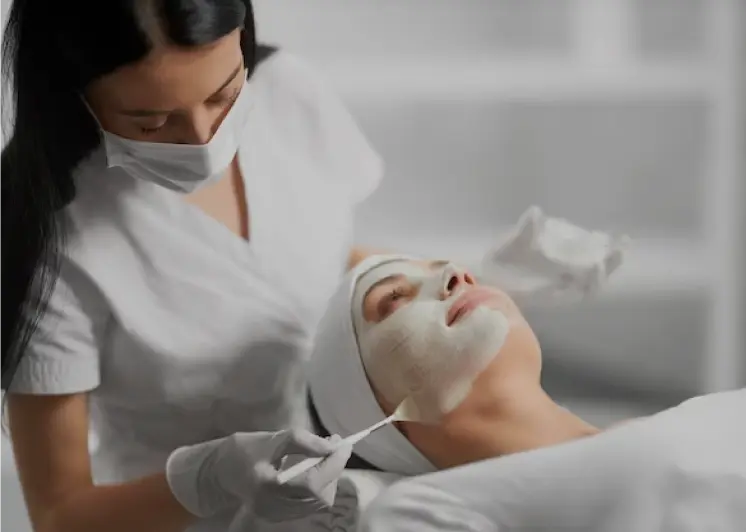
Tissue stimulators are gaining popularity, but is it justified? What lies beneath this mysterious and enticing name? What are they? What effect do they evoke? How do they differ from other preparations introduced into the skin to improve its appearance? Are they really worth so much attention?
Any accidental or intentional skin injury acts as a stimulant for it, i.e., a stimulus to initiate the renewal process, starting from a simple scratch or burn causing a wound, through chemical peels, skin punctures (e.g. mesotherapy), to intentional thermal injury (devices emitting energy, for example lasers).
Tissue stimulators (also known as biostimulators) are also responsible for stimulating the skin's natural renewal mechanisms. These are substances introduced into the skin to improve its appearance, particularly in areas where there is loss of firmness and signs of skin ageing. What distinguishes the action of tissue stimulators from other injectable cosmetic enhancement methods is their slow, prolonged effect and the achievement of a completely natural appearance after treatments.
TISSUE STIMULANTS – types
Tissue stimulators can be divided into two groups:
- Classic stimulators: polynucleotides, amino acids, tropocollagen, atelocollagen, or RH-collagen. A series of treatments is necessary to improve skin quality. They are used on the neck, face, décolletage, and other areas of the body. The effects achieved are natural.
- Volumising stimulators: these are among the most potent tissue biostimulators. Their administration leads to an increase in collagen and elastin synthesis, resulting in increased tissue volume. Volumising stimulators include polylactic acid, calcium hydroxyapatite, and polycaprolactone. These preparations are used in individuals with age-related volume loss, significant skin laxity, or patients seeking a natural improvement in facial contour. The effects of volumising stimulators are long-lasting, and visible results are typically achieved after a single treatment.
TISSUE STIMULANTS – do they really work?
The mechanism of action of tissue stimulators is based on stimulating the natural processes in human skin. These compounds primarily stimulate the skin's fibroblasts to produce collagen and elastin, which leads to a natural and long-lasting rejuvenating effect. Volumetric stimulators can also be responsible for a subtle tissue filling effect, by intensely stimulating collagen synthesis. Collagen is a protein that is the main component of the intercellular substance, and its bundles form fibres, which together with elastin build an ordered network, the „skin scaffold”, responsible for its firmness and elasticity.
TISSUE STIMULATORS – are they for everyone?
Although tissue stimulators are considered safe, not everyone can undergo the procedure. The main contraindications include:
- active skin infection or other inflammatory condition at the planned site of treatment,
- Pregnancy and breastfeeding,
- certain autoimmune diseases or blood clotting disorders,
- Allergy to the preparation's ingredients.
TISSUE STIMULATORS – post-procedure recommendations
After the treatment it is recommended:
- Avoid strenuous physical activity for 24-48 hours.
- Do not use the sauna or swimming pool for a few days.
- Avoid sun exposure and tanning beds for at least a week.
- Do not massage or touch the injection site for 24 hours.
TISSUE STIMULATORS – how many treatments does your skin need?
The number of treatments required depends on the patient's age, skin condition, expected results and the type of tissue stimulator. Classic stimulators require a series of treatments (3-4) at intervals of several weeks. If volumetric stimulators are chosen, the effect is visible after fewer treatments. For some people, even one treatment is sufficient to achieve an improvement in skin quality.